Episode 104: My Neurodivergent Sash: Collecting Diagnoses Until Autism Finally Made Sense
What happens when you spend your whole life collecting diagnoses like Girl Scout badges? Chronic stomach aches at nine, sensory issues with socks, toe walking, IBS, anxiety, depression, and nothing ever quite adds up? For Brittany, it took having neurodivergent children, hitting a wall in her early thirties, and the algorithm delivering the right videos at the right time.
We talk about:
•Growing up with unexplained medical issues that never quite made sense
•The physical toll of undiagnosed autism: hypermobility, mast cell activation, POTS, binocular vision dysfunction
•Why middle school was a crash course in becoming a "little fifth grade scientist"
•Systematically learning how to fit in •The fear of trying new things when you're terrified of failing in public
•How having children (especially the second one) destroyed all the coping mechanisms
•Hormone changes as autism amplifiers: puberty, postpartum
•The catastrophizing brain that predicts every possible disaster, and why it's actually protective
•Calling hospitals to check if your husband is dead (again)
•The mental file folder labeled "contagion" that won't close anymore
•Why "negative thinking" is actually data collection from a lifetime of harsh lessons
•Using pattern recognition as a superpower in your career
•Rediscovering the Libby app and psychological thrillers as autistic joy
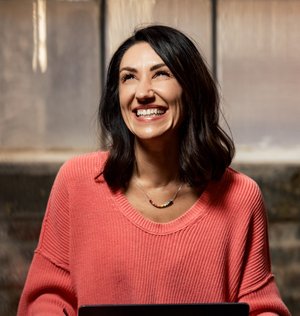
Guest: Brittany is a late-diagnosed autistic adult, mother of neurodivergent children, and someone whose brain runs algorithms at all times to predict what could go wrong, and she's learned to use it to her advantage.
Mentioned in this episode:
•Mast cell activation syndrome (MCAS)
•POTS (Postural Orthostatic Tachycardia Syndrome) and dysautonomia
•Hypermobility and Ehlers-Danlos Syndrome (EDS) •Binocular vision dysfunction and prism glasses
•The Libby app for library e-books
•Predictive processing and the neurodivergent brain
•Nedra Glover Tawwab's “Set Boundaries. Find Peace.”
Resources: Learn more about high-masking, late-diagnosed autism:
Instagram @neurokoryous
Unmasking Retreats: koryandreas.com
YouTube: @ThatsMePod